
When talking about end of life care, the conversation often starts with a simple question, “Where would you like to be?” For many people, the answer is home.
It is where memories have been made, where family members know where to find things, where the dog sleeps, and where life has been lived.
Yet while most people say they would prefer to remain at home towards the end of life, many families are unaware of the choices and support available to help make that happen. Often due to this lack of awareness people die in hospital where it is busy, hot and impersonal.
End of Life Care Is About More Than Medical Care
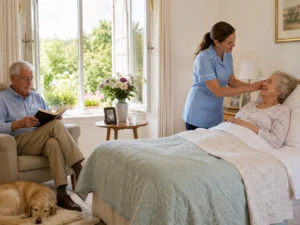
Good end of life care is not simply about medication or clinical treatment. It is about comfort, dignity, reassurance, companionship, and helping people live as fully as possible for as long as possible and then supporting them through death..
Across Chichester District, dedicated healthcare professionals, teams from St Wilfrid’s Hospice, community nurses, carers, volunteers, and family members work tirelessly to support people nearing the end of life.
But providing excellent care requires more than goodwill. Supporting someone who is dying is a specialist skill.
It requires knowledge, experience, confidence, and compassion. It means understanding the physical changes that occur as life draws to a close, while also supporting the emotional needs of the individual and those who love them.
Why Training Matters

Across the care sector there are many dedicated and compassionate carers who do extraordinary work every day. However, we should also recognise that end of life care is a specialist area of practice.
A brief online tutorial or a short training module cannot fully prepare someone for supporting a person who is actively dying, nor can it equip them to support anxious family members, recognise subtle changes in condition, or navigate the complex emotions that often arise.
Families often assume that all carers receive extensive training in end of life care. The reality can vary considerably between organisations and providers.
When choosing care, it is entirely reasonable to ask:
- What end of life training do staff receive?
- How often is that training updated?
- Do carers receive supervision and support?
- What experience do they have supporting people in the final weeks and days of life?
These questions are not criticisms. They are essential considerations when selecting the people who will be supporting someone during one of life’s most important transitions.
Understanding Funding and Personal Choice
Many families are unaware that funding may be available to support care at home during the final stages of life. Depending on individual circumstances, support can be funded through NHS Continuing Healthcare arrangements, local authority services, or personal health budgets.
Personal health budgets can be particularly empowering because they place more control in the hands of the individual and their family. Rather than fitting into a standard package of care, people may have greater flexibility to choose services and support that align with their needs, wishes, and values.
This can create opportunities to bring together a personalised team of support rather than relying solely on a single provider.
Navigating the funding system can feel daunting, but understanding the options available can make a significant difference to both quality of life and quality of care.
The Growing Role of End of Life Doulas
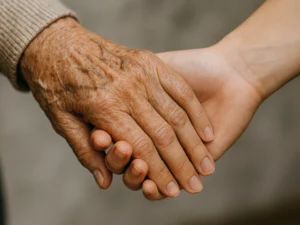
Alongside traditional care services, increasing numbers of people are discovering the role of the end of life doula.
Just as birth doulas support people through the beginning of life, end of life doulas support individuals and families through its final chapter.
Doulas do not replace other professionals. Instead, they complement existing services by providing continuity, advocacy, emotional support, practical guidance, companionship, and time.
Perhaps most importantly, they help ensure that the wishes, values, and priorities of the person at the centre remain central at all times.
For one person, that might mean helping organise meaningful conversations with family members. For another, it could involve supporting advance care planning, creating a legacy project, facilitating difficult discussions, or simply sitting quietly and offering a reassuring presence.
End of life doulas recognise that there is no single “right” way to die. Their role is to help people achieve the end of life experience that feels right for them.
A Community Approach to Dying
Dying is not simply a medical event. It is a human experience that affects families, friends, neighbours, and communities as well as the individual.
Good end of life care is about more than clinical competence, although that is essential. It is also about listening, understanding, compassion, and respecting individual choice. Whether care takes place at home, in a hospice, a care home, or hospital, every person deserves support that reflects their wishes, values, and dignity.
By understanding the choices available, individuals and families can make more informed decisions about the care they receive.